


Hola Mexziners,
Mondays can be challenging, but not today. Today we face the week with tacos. We’re exploring Mexico City’s tortilla-wrapped landscape alongside my friend (and my editor back in the day), Pedro Reyes, a taco connoisseur and fantastic food writer. Pedro is not just full of knowledge - his passion for tacos is contagious, and the interview is guaranteed to make you hungry. From there, we feature a gorgeous design and art center in San Miguel de Allende, a spectacular rentable brutalist home in Querétaro, plus an indoor-outdoor greenhouse restaurant in Tepoztlán, so beautiful that Brandon visited and said it looked like “artificial intelligence.”
Let’s go!
–Cristina Alonso, Managing Editor of Mexzine
But first, here’s how to support Mexzine and keep us going:
Share our newsletter on Substack or with a friend
Tap the heart at the bottom as it helps us get discovered
Become a paid subscriber for only $7/month (You’ll get access to all our paywalled newsletters, destination guides with savable Google Maps, and our HYPER-COVETED list of curated boutique hotel deals across Mexico that we spent days finding on the internet - and no, we don’t get one dollar of commission).
Let’s Chat: Pedro Reyes, Food Journalist & Taco Pro on the Mexico City Taco Scene
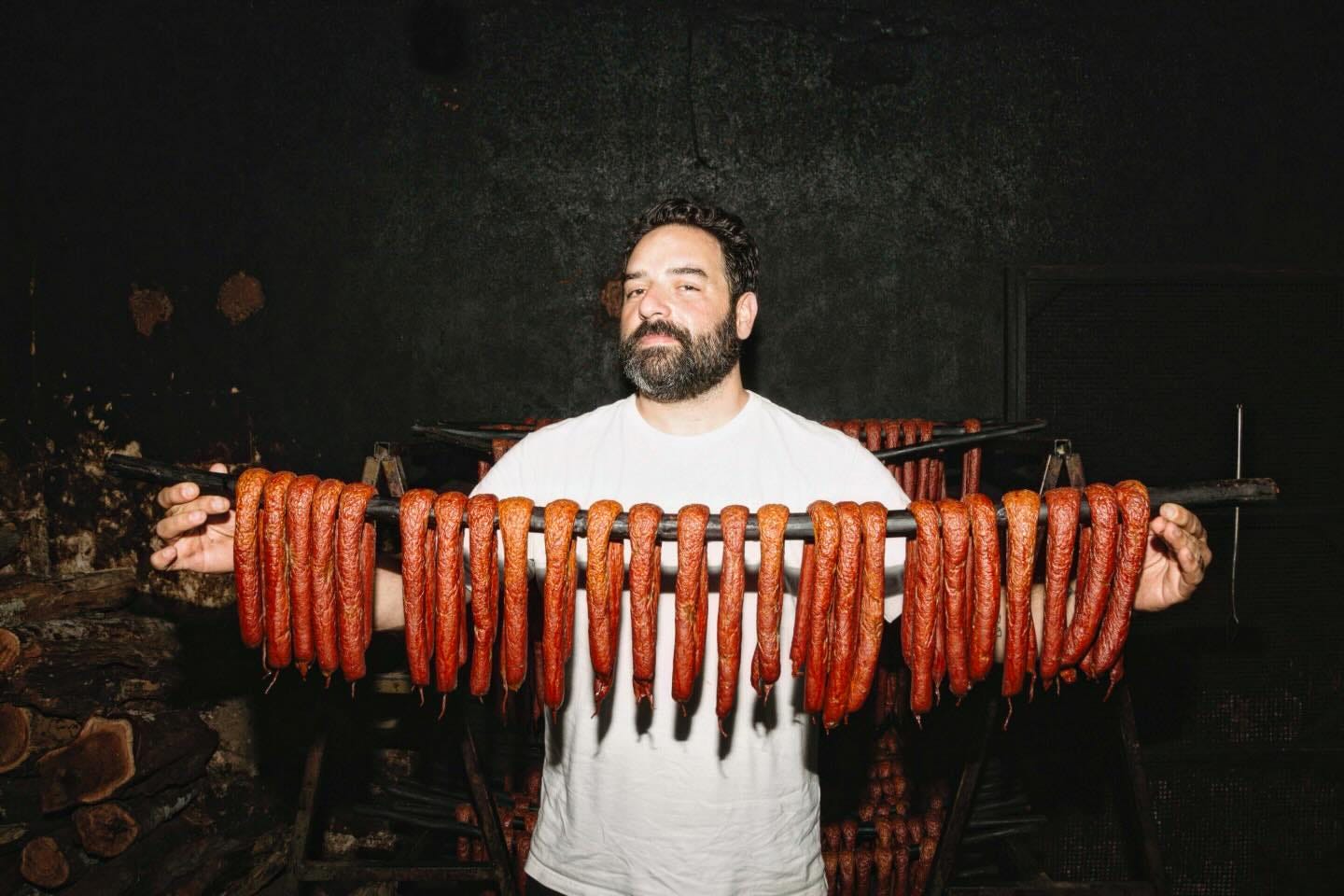
Mexico City has always been a taco mecca, but something has happened over the past few years. There are more taquerías than ever: some are fancy, most are very photo-friendly, and many of them have people who are willing to spend hours in line for a bite. Cristina Alonso chats with Pedro Reyes, food journalist and one of the partners at Tacos Domingo, to dive into the current scene.
Cristina: We’re going through something of a taco renaissance in Mexico City. How would you explain this?
Pedro: During the pandemic, a lot of taco-related content became very popular. A very specific example is The Taco Chronicles on Netflix. That show gave visibility to street tacos in all shapes and forms: carnitas, guisado, hard shell, barbacoa… it gave people a great perspective on taco culture. Around that same time, Mexico City started welcoming more and more foreigners who fell in love with tacos - diverse, accessible, and affordable. They tried tacos they’d never had before and were fascinated.
I also want to highlight the Orinoco factor. This taquería opened and brought two things: first, it gave foreigners the peace of mind that comes with eating tacos in a clean, easy-to-understand place; while for Mexicans, it offered excellent, thoughtful branding. This made Mexicans think, “Oh, that’s what works. We need to serve tacos with genuine, contemporary branding.” So, for better or for worse, the landscape became Orinoco-ized. There are a bunch of taquerías that are leaning hard on that kind of branding to succeed.
Cristina: There are also some genuinely good spots.
Pedro: Definitely. This chain of events also inspired a group of chefs who know how to make elevated tacos – places like Siembra, La Once Mil, or even Comal Oculto, which isn’t necessarily a taquería but serves an excellent corn-based menu. I’m also very happy with taquerías that prioritize corn, use it well, and focus on traceability, like Maizajo, Milpa, and, again, Siembra and Comal Oculto. They are taking corn to the next level.
It’s interesting because some people still fight back against “expensive” tacos. La Once Mil, for example, is known to be pricier, but they have an incredible product; it’s a fantastic, well-executed idea. I don’t think tacos should necessarily be cheap. I celebrate all of this because I think the scene allows us to have better tacos. We still have the all-time favorites, plus so many new options.
Cristina: We’re also seeing a huge increase in norteño-style tacos. How did that happen?
Pedro: Overall, northern culture has become increasingly popular across the country, and Orinoco is, in fact, part of that (it started in Monterrey). The first concept I was really excited about was Los Caramelos, a stand in Roma Sur serving beef barbacoa, which we didn’t have a lot of before. Then came Gonzalitos, with tacos regios mañaneros (morning tacos). I celebrate this moment we are living in, because the more taquerías we have, the more chances we have for maybe four or five of them to become classics.
Crisitna: What are some of your favorite taco spots nobody should miss?
Pedro: I really like El Jarocho, in Roma. It started as a tortillería and has become a great guisado taquería. I like the carnitas tacos at El Venadito, El Cherán, and El Rincón Tarasco. Selene, in Polanco, has great al pastor tacos. I also love their volcanes. For a good suadero, I go to Tacos Charly in San Fernando. Downtown Mexico City is also home to excellent spots like Ricos Tacos Toluca. I love El Turix, which serves very Chilango-style but delicious cochinita pibil, and El Huequito, one of the pioneers of al pastor tacos.
Cristina: Where does Tacos Domingo exist in this taco landscape?
Pedro: Tacos Domingo sprouted from the many trips my partners and I took while working on our taco guides, Guía Domingo. We’ve published guides for Mexico City, Guadalajara, Tijuana, and Monterrey. Our goal is to elevate the timeless taco al carbón (charcoal-grilled taco), and we have four locations right now: two in Mexico City, one in Monterrey, and one in New York City, which we just opened. I love Tacos Domingo because of its simplicity: the product is great, and we have incredible salsas.
Design We Love: Fábrica La Aurora, San Miguel de Allende
It’s a pipe dream of mine – and many others: owning one of those gorgeous houses in downtown San Miguel de Allende and furnishing it with all sorts of wonders from Fábrica La Aurora. A textile factory for more than nine decades, this beautiful design center is now home to an incredible selection of art galleries, antique shops, decor boutiques, and workshops, showcasing the work of local and international creators. Some favorites: the Italian linens at La Bottega di Casa, the whimsical home design pieces at Mestiz, and the bold contemporary art at La 101. – CA
Casa Files: Casa Bernal, Bernal, Querétaro


One of the tallest monoliths in the world, Peña de Bernal is not only visually imposing – it’s a sacred site for the Otomí-Chichimeca peoples and an energetic center for many who visit the town of Bernal. Within this magnificent setting, Emmanuel Picault (founder of architecture and design studio Chic by Accident) designed this brutalist retreat, harmoniously interacting with the ruins of a colonial mansion and the surrounding nature. Sunlight-filled spaces and simple lines are enhanced with details like art pieces from the Chic by Accident gallery and earthenware by Perla Valtierra. The centerpiece: the pool, surrounded by towering cacti and framed by views of the majestic Peña. You can book this house with CasitaMX. –CA
The Magnificent Greenhouse Restaurant in Tepoztlán That Isn’t Artificial Intelligence
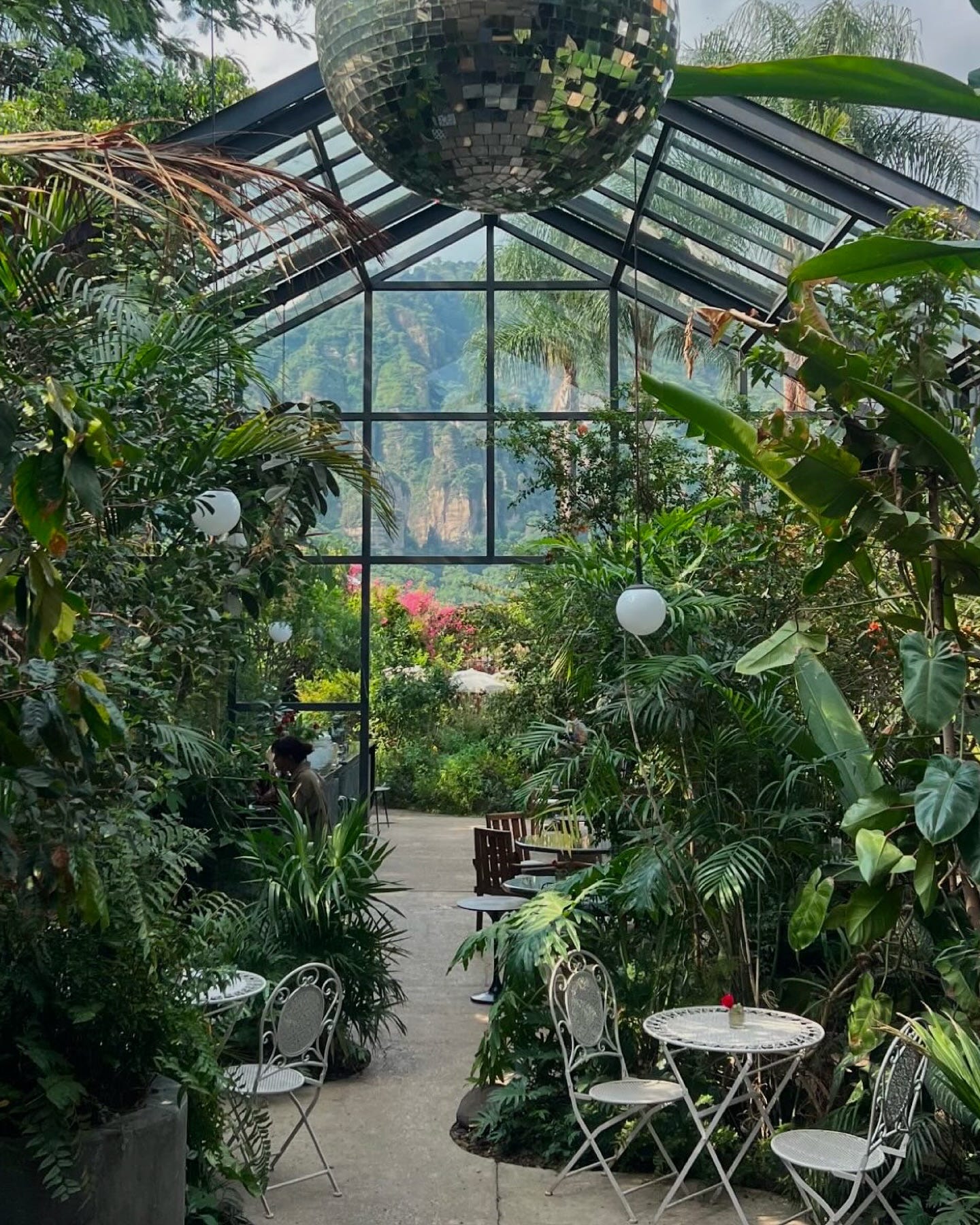
Speaking of food, I spent the weekend with my Mom in Tepoztlán (a pueblo mágico 90 minutes from CDMX), where, via word of mouth, I indulged in a late lunch at a restaurant recommended by a Chilango friend (and validated by Cristina). I knew it would be beautiful from its Instagram page, but I wasn’t ready for how breathtaking it turned out to be. It’s called Margarita Concept Garden, tucked behind the town’s main thoroughfare, which leans authentic: artisanal jewelry, hand-painted signs promising temazcal in makeshift backyards, and family-run restaurants with a lively host or hostess outside, cajoling pedestrians to come try their homemade dishes.
Google Maps directed me up an ascending road with a sharp curve behind the town’s main drag. I became befuddled, convinced the restaurant was somewhere else entirely while my phone’s location stayed janky. Then it hit 2:00pm - opening time - and I watched a few people climb a staircase carved into a derelict cement wall. That, I quickly learned, was the entrance.
At the top, a hostess greeted us and ushered my mother and me from a small dark space, into a gardenscape that looked like it had been generated by artificial intelligence. On the right, open-air pockets of shrubbery and flowers, each one encircling its own small dining table, with Tepoztlán’s distant, magical mountains backdropping it all. On the left, a greenhouse overrun with verdant plants spooling out of pots and earth, grounded by a single path slicing down the middle. Pendant lights drooped down, blending in with all the fauna. A hanging disco ball shimmered at the walkway’s end, just another example of how this restaurant kept on delivering nuggets of unexpected design. The hostess sat us under a canopy of trees that formed a nook at the back.
It’s vegetarian, and my favorite items were the Caramelized Peach Salad (that peach was so juicy I’d bet it was plucked within the hour) and the Carnitas Soy-Confit Tacos with Rice Chicharrón. I had a mocktail by the name of Root & Flower - a hibiscus infusion with ginger, honey, and fresh lime. Each cocktail promised homegrown herbs.
Yes, the food was tasty. But the setting was a ten out of ten. If you’re heading to Tepoztlán any time soon, I’d secure a lunch reservation here in advance. -BB
Where do you want us to feature next? Have a story for us? Shoot an email over to Cristina@Mexzine.com or Brandon@Mexzine.com.
Mexzine is a Hotels Above Par media brand that’s edited in Mexico City. Support independent media and real journalism via a paid subscription.
Love this post! Big fan of Fábrica La Aurora... and, of course, Mexico City's tacos (but really, who isn't?).
🌽🌽🌽