


Hey, Mezxine friends,
We’re thrilled to start this week with something special: our first guest contributor. Born in the US, Megan Frye has called Mexico City home for more than a decade, breathing in its beauty and chaos and putting it into words. I worked with Megan a few years back, so I’m especially excited to share her work with all of you. Today, she invites us to discover Mexico’s history, myths, and folklore through the pages that have marked her own journey here. I’m sure you’ll find a reason to hit the bookstore after.
Happy reading!
– Cristina Alonso, Managing Editor
A Literary Journey Through Mexico
When I first moved to Mexico City to study history and Spanish at UNAM at the top of 2016 (New Year’s Day to be exact), I was deep in anthropological texts, INAH titles on the ceramics of Teotihuacán, and the architecture of Yaxchilán, a site I visited in 2014 and am still processing. I read back copies of Arqueología Mexicana on the clunky pesero to and from school. It took me a while to add novels. But as I’ve leaned into the complexity of Ciudad de México, I’ve become completely engulfed in la república. Now nearly 11 years later, the words of these texts have formed as much a part of my experience here as chile de árbol and the “se compra” lady’s voice.
I believe you should read a country before you visit it. Not to master it (a fool’s errand), but to honor it, to arrive already involved, already with pages dog-eared reflecting a life you may or may not know. This is by no means an exhaustive list, just the books that found me over the years, in used bookstores in Coyoacán, and from people who were kind enough to hand me something.
Some of you readers would delve into the Spanish version, some would prefer translations. There’s no wrong way to arrive.
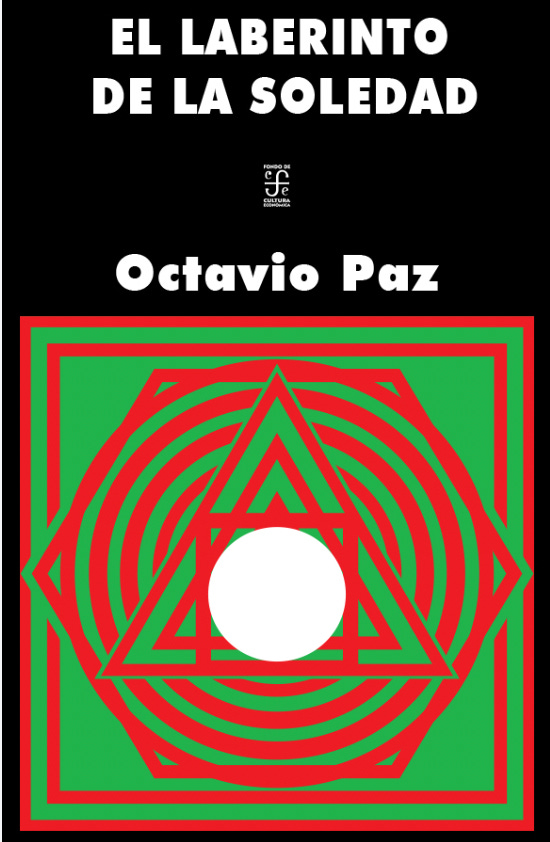
Octavio Paz, El Labertino de la Soledad (The Labyrinth of Solitude). 1950 // Everyone starts here, and there’s a reason. It’s polemic as a critique of the culture from a privileged place, assigning a national identity to a very diverse people. Paz writes about Mexican identity like a vulture circling a carrion on a busy highway. Themes of colonialism, masks, fiesta, and death. It’s the foundational text, the one that reframes everything you’ll see in the streets afterward.
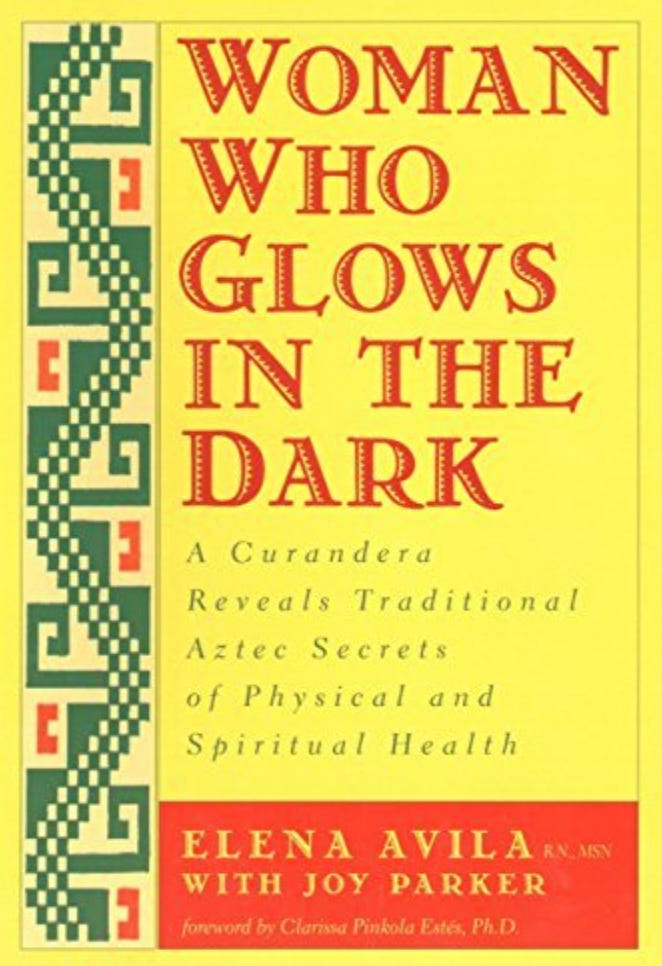
Elena Avila, Woman Who Glows in the Dark: A Curandera Reveals Traditional Aztec Secrets of Physical and Spiritual Health. 1999. // Elena Avila was a Chicana author. Avila had a long career as a practicing nurse on the border, and in her own need of healing, connected the wisdom of indigenous practices such as soul retrieval and limpias, expressing the psychosomatic states of envidia and coraje as ways to heal trauma and build connectedness.
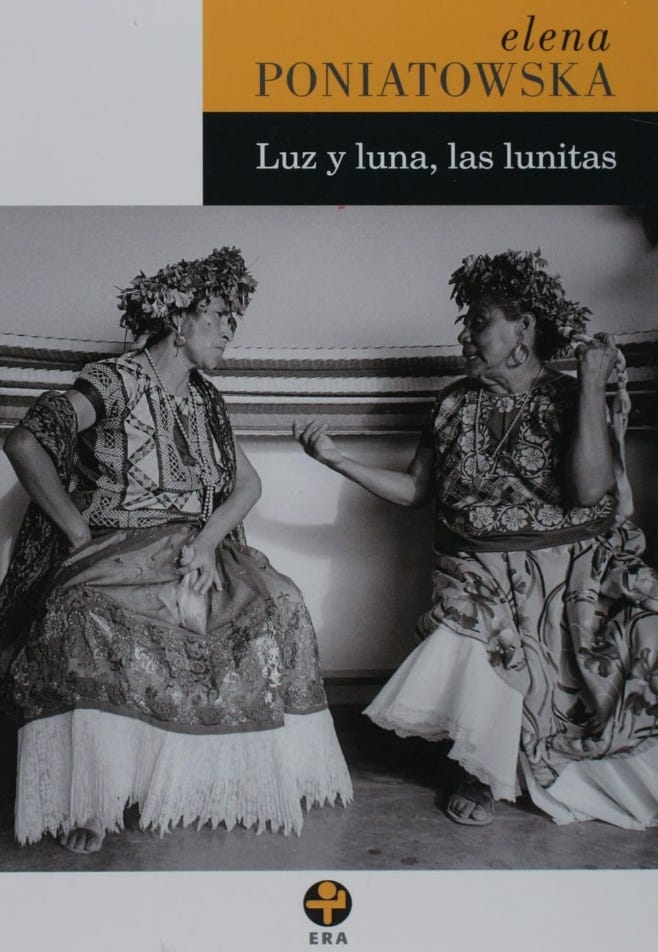
Elena Poniatowska, Luz y Luna, Las Lunitas. (Light, Moon and the Little Moons). 1994 // The photographs by beloved Mexican photographer Graciela Iturbide do half the talking here, as Poniatowska chronicles the lives of Indigenous women in the Isthmus of Tehuantepec with a tenderness that walks hand in hand with respect.
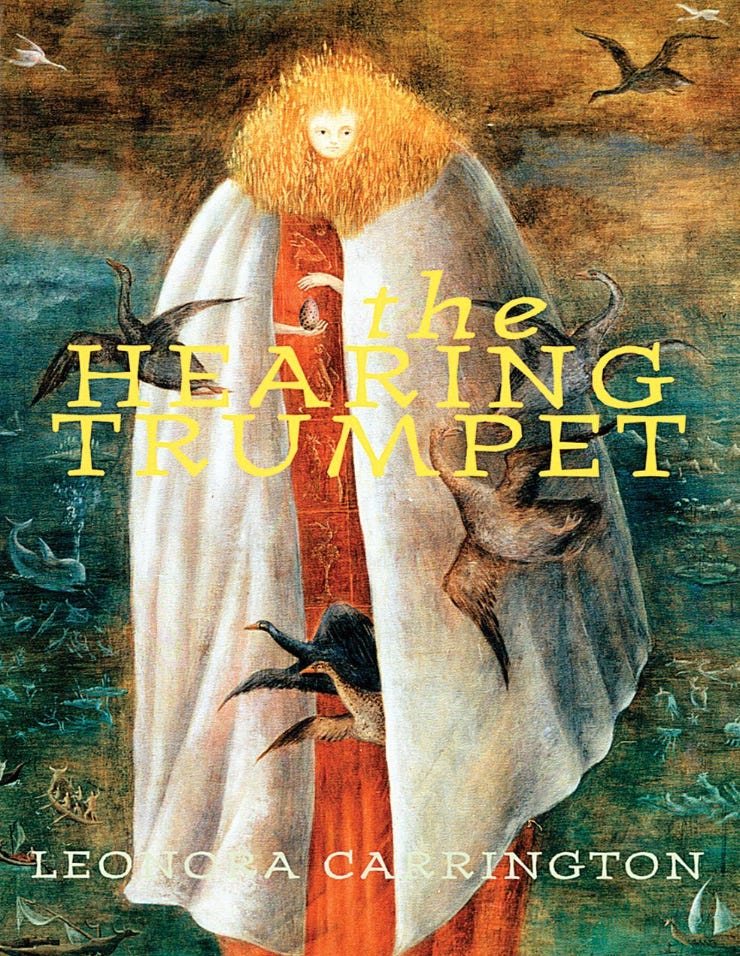
Leonora Carrington, The Hearing Trumpet. 1974. // British by birth, an exiled artist who found refuge here alongside European surrealists, Mexico absorbed Leonora Carrington, who became one of its own. This novel features an old woman, a strange convent, a wild conspiracy, and is as entrancing and delightful as her paintings. If you ever get to San Luis Potosí, her museum is worth an afternoon.
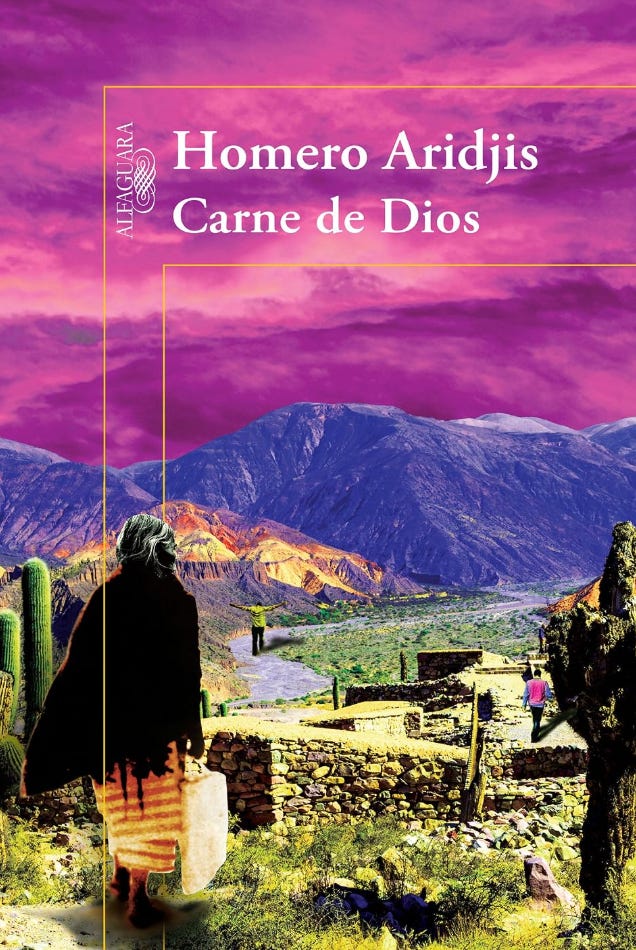
Homero Aridjis, Carne de Dios. (Meat of God). 2015. // A fictionalized life of legendary healer María Sabina, tangled up with the Beatles and the Beat generation chasing mushrooms and meaning into mid-20th century Oaxaca. Aridjis creates a hallucinatory bridge between worlds: the moment outsiders come looking for meaning, and Mexico lets them in without ever fully belonging to them. It makes me think of Burroughs, who came here to escape one thing and found another reason to flee, but nowhere to go. Mexico has always been where outsiders go to get undone.
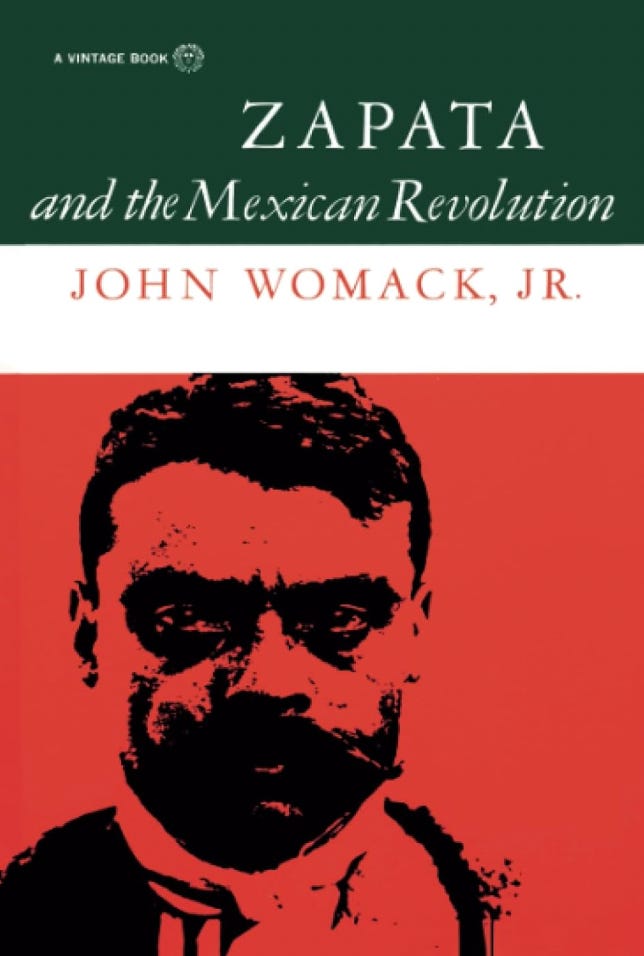
John Womack Jr., Zapata and the Mexican Revolution. 1969 // Womack was an American, but this is one of the finest things written on Zapata and the Revolution. It reads with the pace of a novel while holding up under real scholarly scrutiny. Zapata here is presented as a man, not a myth, and Mexico as a universe, not a postcard or a tabloid.
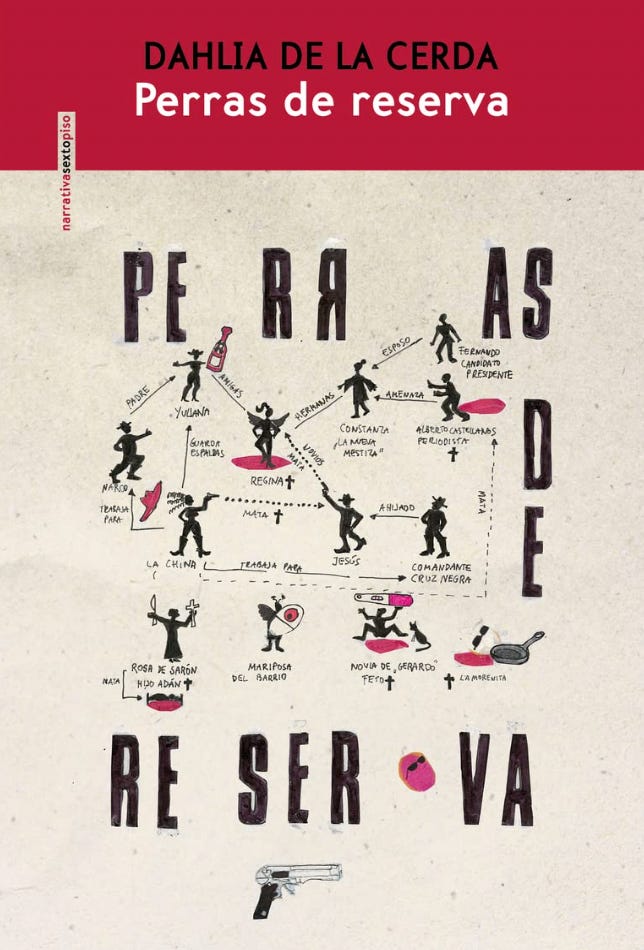
Dahlia de la Cerda, Perras de Reserva. (Reservoir Bitches). 2022 // De la Cerda’s interconnected stories follow women navigating violence and power with sharp, unafraid prose. A young writer from Aguascalientes, her worlds are as real as they are underrepresented.
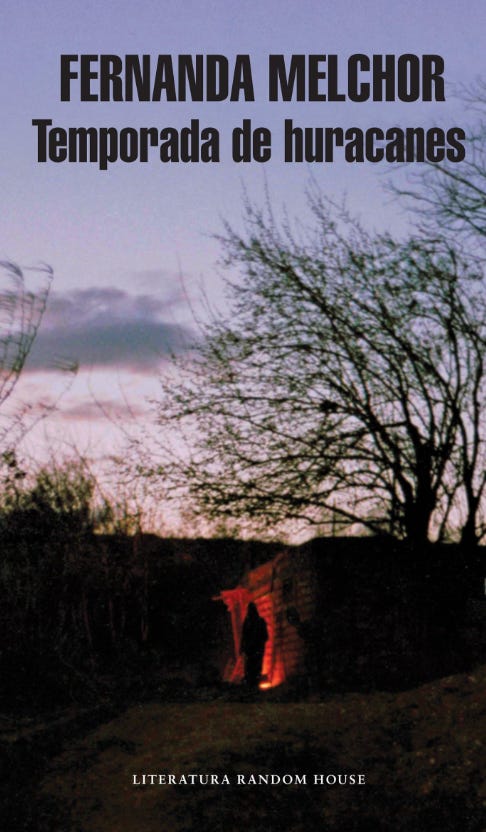
Fernanda Melchor, Temporada de Huracanes. (Hurricane Season). 2017. // Melchor’s relentless sentences circle a murder in a small Veracruz town, described down to its mycelium, unblinking at rural misogyny while never losing poetic control.
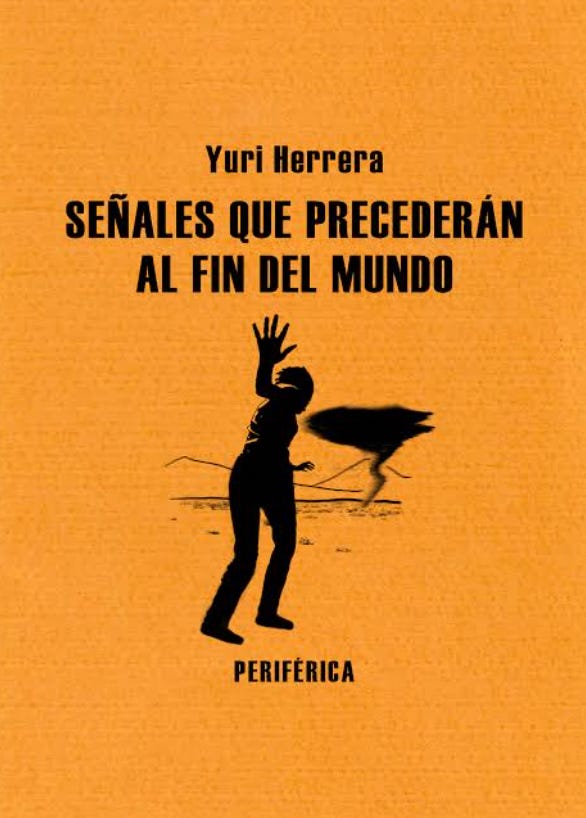
Yuri Herrera, Señales que precederán al fin del mundo. (Signs Preceding the End of the World). 2009. // It follows a young woman crossing from Mexico into the United States to find her brother and deliver a message from their mother, a journey that becomes a nearly mythological descent through a world of smugglers and shifting selves. Herrera invents language the way his characters invent themselves at the borders.
I can also recommend Chilean author Roberto Bolaño’s “The Savage Detectives,” Lydiette Carrión’s “La Fosa de Agua,” and British novelist Malcom Lowry’s “Under the Volcano,” as well as Isabela Zapata’s reverent poetry collection, “Una ballena es un país” Rosario Castellanos’ “Balún Canán,” and “Fruto,” Daniela Rea’s exploration on modern caregiving. Among these pages, you’ll find a solid entrance into comprehending such a complex country.
Now I’d love to hear some of your recommendations! What are your favorite reads by Mexican authors or about Mexico?
*Universidad Nacional Autónoma de México
**Instituto Nacional de Antropología e Historia
And that concludes today’s issue of Mexzine. Want to send us a story idea, suggestion, or introduce yourself? Email us at Brandon@Mexzine.com or Cristina@Mexzine.com.
Mexzine is reader-supported. Consider a paid subscription.

love this 📚 so many good ones!