

Hola Mexziners,
It’s no secret that we’re obsessed with food and drink here at Mexzine. Fine dining, fancy cocktails, street snacks, creative menus – you name it, we’ll try it. And candy is definitely part of the equation. From traditional mercados to corner stores to airport souvenir shops, Mexican sweets are a small and delightful expression of our traditions and, like many other elements of our culture, they range from traditional to inventive to sometimes a bit weird. Join us as we explore a few favorites.
- Cristina Alonso, Managing Editor
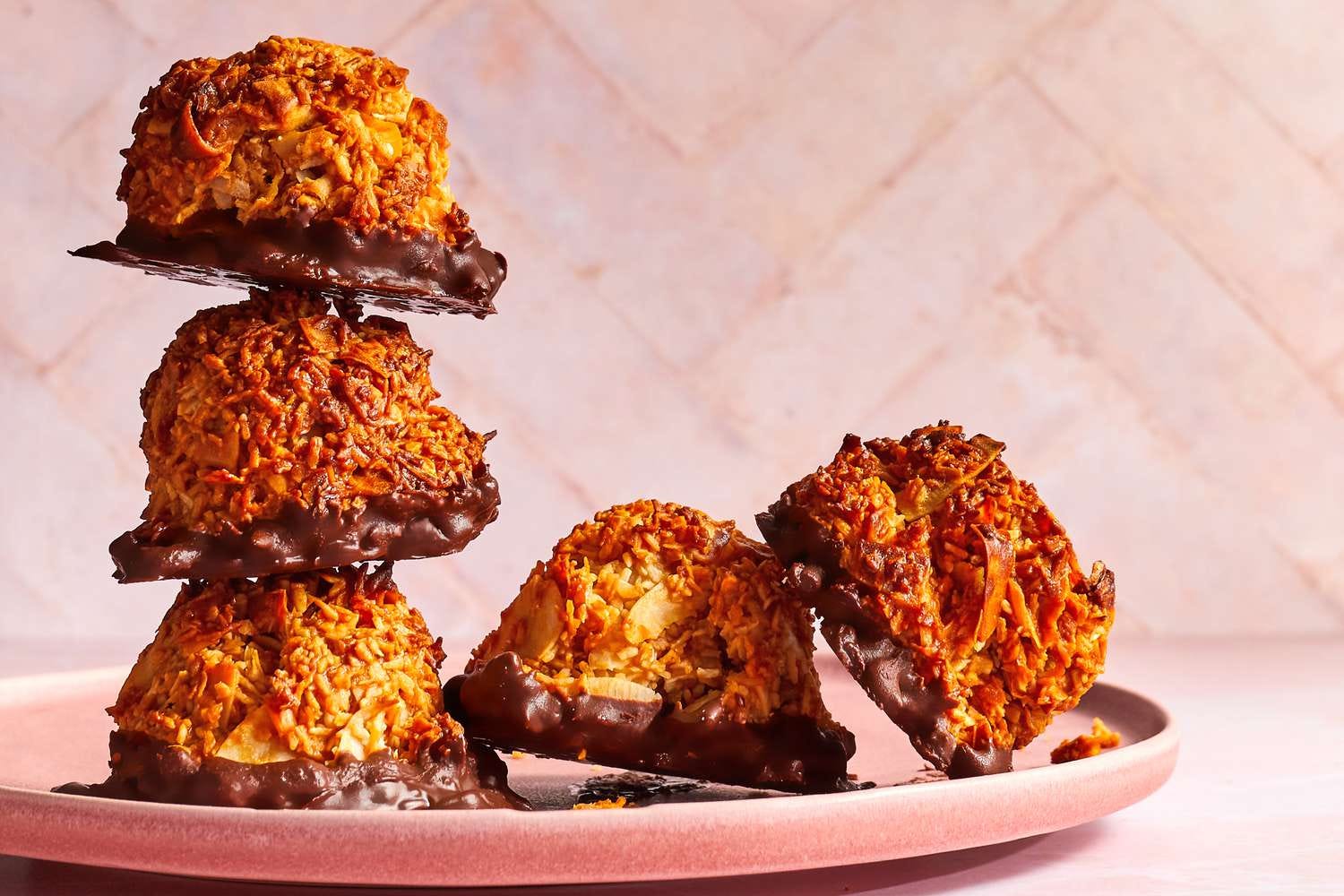
Cocadas // Made with grated coconut, sugar, cinnamon, and milk, these patties are believed to hail from Spain, making their way to Mexico and other Spanish colonies during the conquest. These days, cocadas come in different shapes and forms: some are made with fresh coconut, others are baked for a crispier texture, and others use egg yolk, giving them a bright yellow hue.
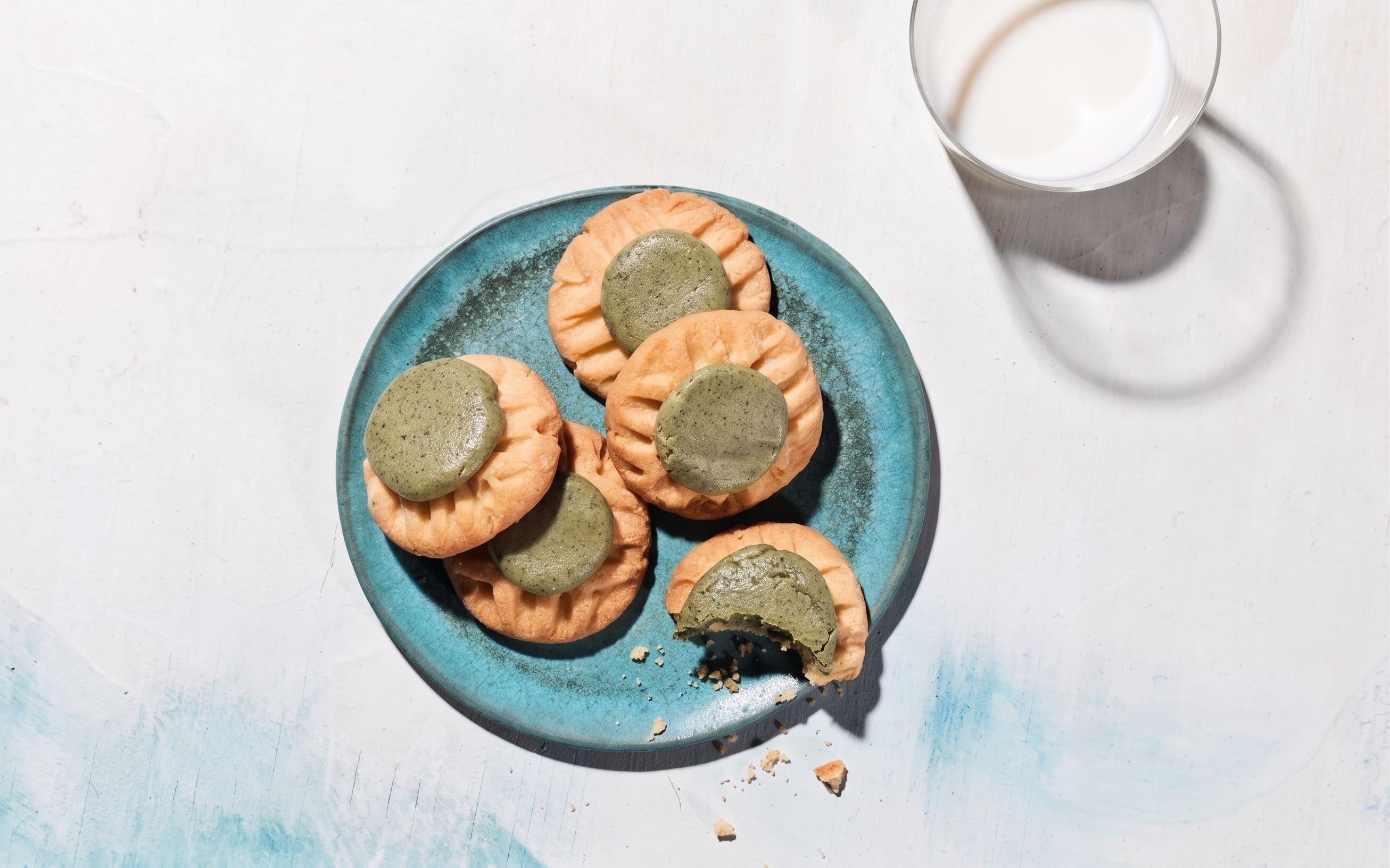
Tortitas de Santa Clara // These treats are, just on their own, reason enough to visit Puebla. Created by the nuns at the Santa Clara convent, these crunchy cookies are filled with a sweet pumpkin seed glaze that is famously hard to make, as each seed has to be peeled beforehand. While it’s easy to find the tortitas in Mexico City and other cities, there’s nothing like going straight to the source: Puebla’s Calle de los Dulces, a street lined with traditional candy shops.
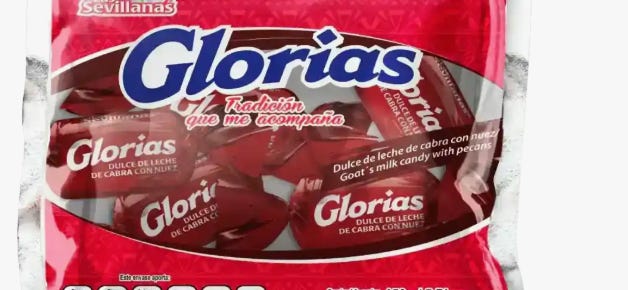
Glorias // Born in Linares, Nuevo León, these soft delights are pure comfort and indulgence – and they were my grandpa’s favorites. According to legend, local candymaker Natalia Medina created these sweets and got rave reviews from anyone who tried them. The verdict: they tasted like glory. Available with or without pecans and wrapped in iconic red, they do, in fact, live up to their name.
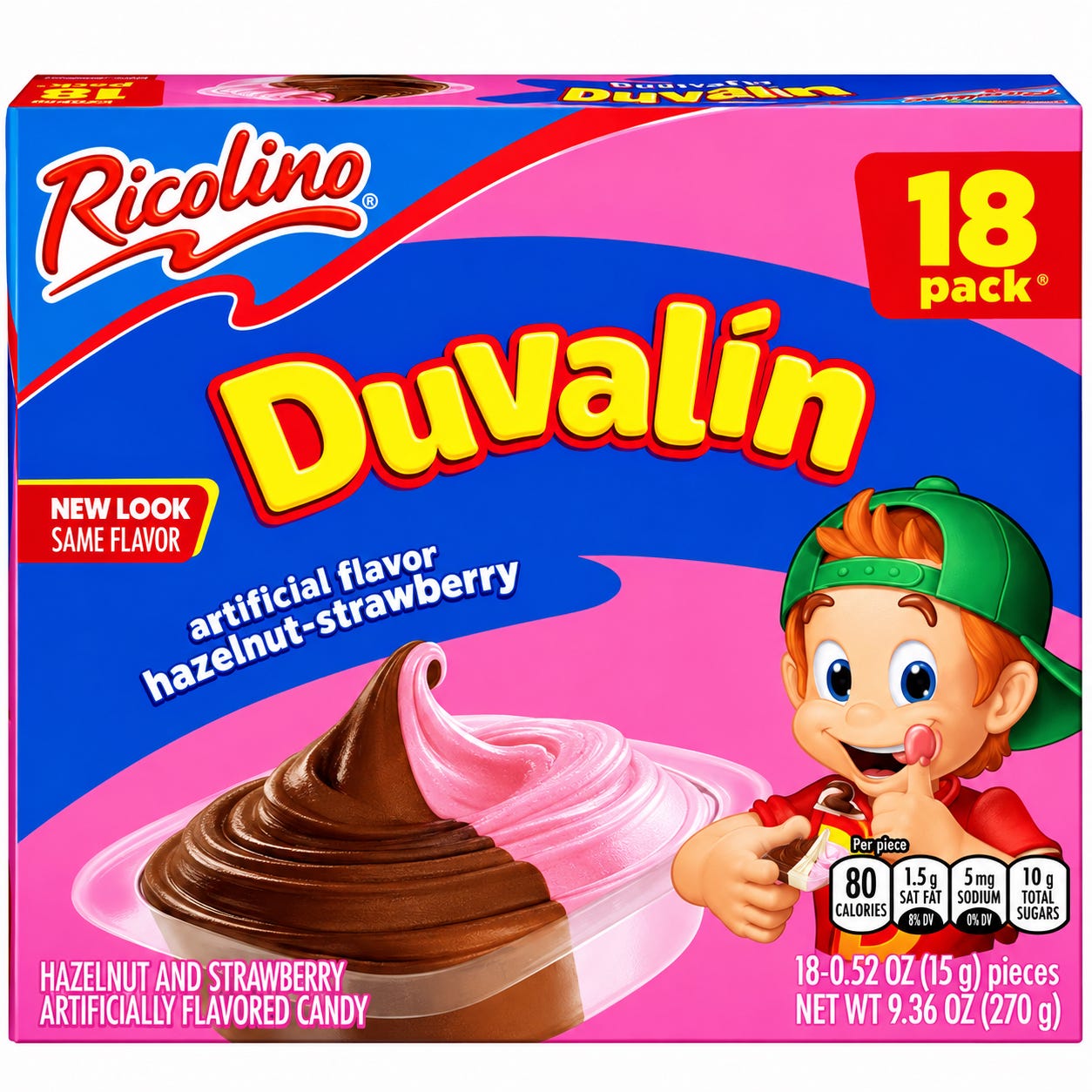
Duvalín // A tiny to-go pudding, Duvalín is a creamy combo of vanilla, strawberry, and hazelnut spreads that some believe was inspired by Neapolitan ice cream. Sold with its own miniature spoon, it also comes in vanilla-hazelnut or vanilla-strawberry versions. Ingrained in most Mexicans’ memories is its jingle: “A Duvalín no lo cambio por nada!”
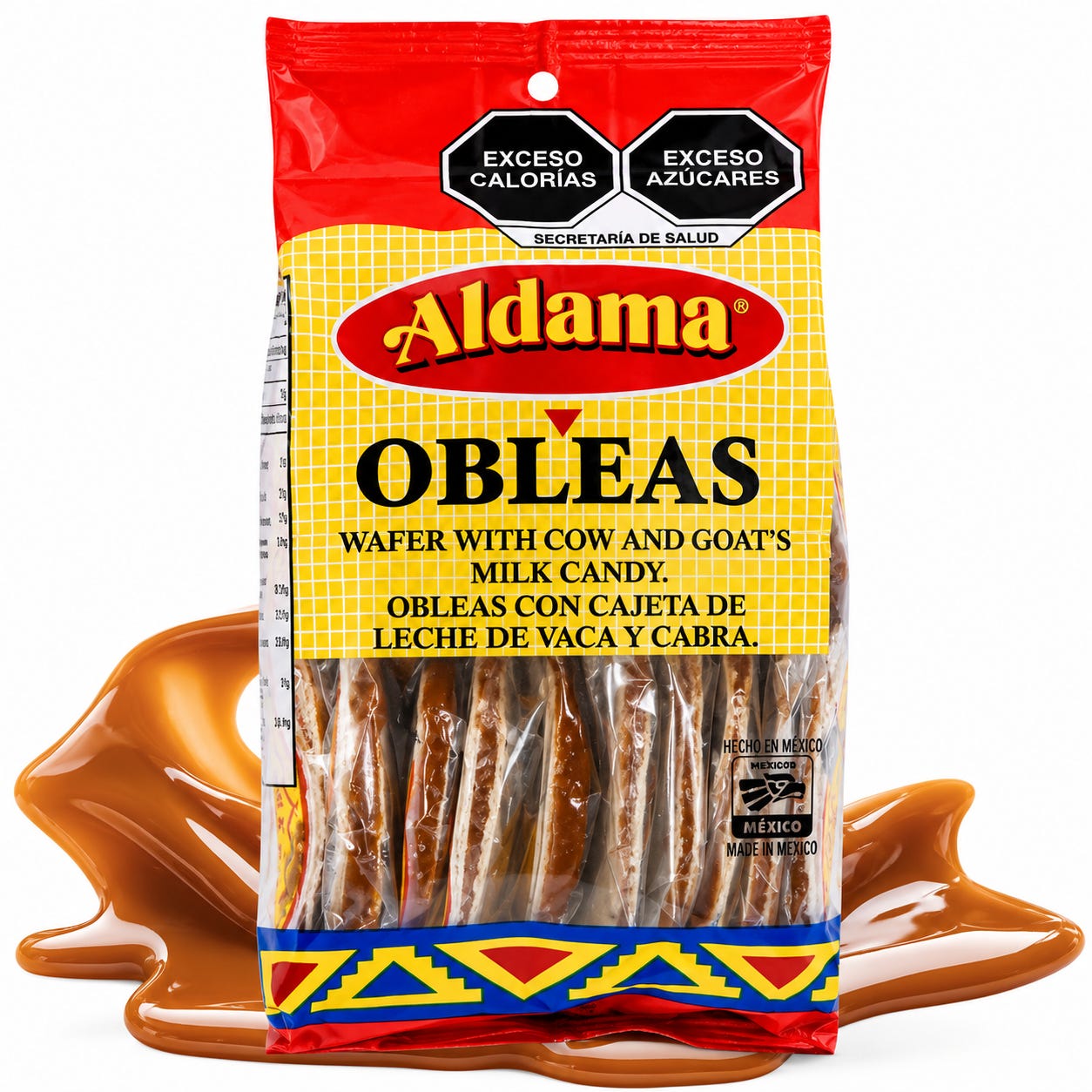
Obleas con Cajeta // At first sight, these wafers may remind you of church –and with good reason. These airy crackers emerged in European convents as consecrated wafers, and made their way to Mexico during the Spanish conquest. Eventually, locals began to experiment with different fillings, with cajeta (or dulce de leche) becoming an instant favorite. Crispy on the outside, gooey on the inside, their appeal remains timeless.
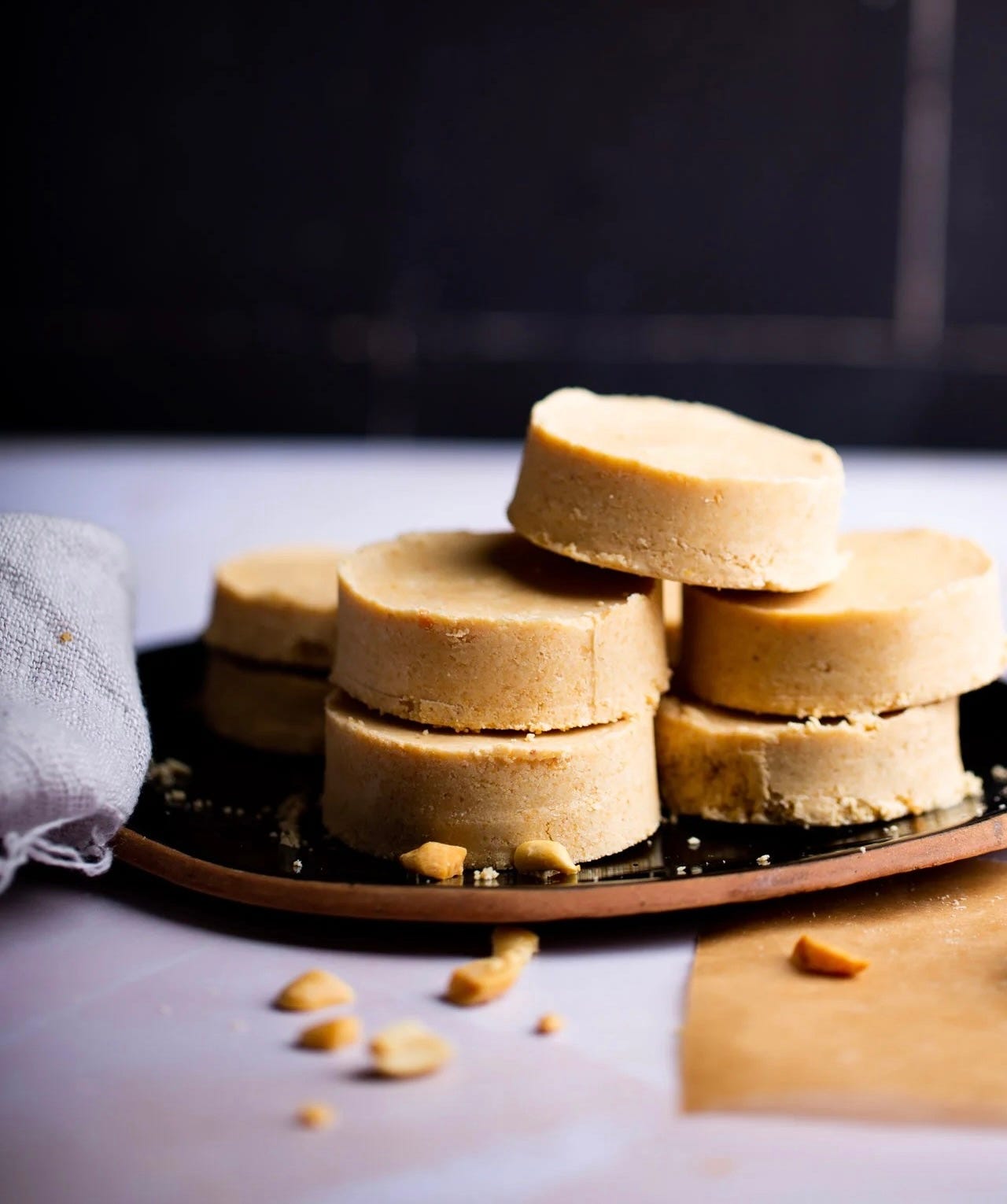
Mazapán // In its most traditional form, mazapán was created in Toledo, Spain –a sweet, dense concoction made with almond paste and sugar. Mexicans adopted the recipe and tweaked it, adding ingredients like peanuts and pumpkin seeds. Its claim to fame, though, came in the fifties, when Guadalajara-born Elvira Velasco and Jesús Michel opened a candy store called Conitas, where they started selling a peanut version. This beloved mazapán was eventually branded as De La Rosa, a veritable icon of Mexican candy: irresistibly crumbly and tasty
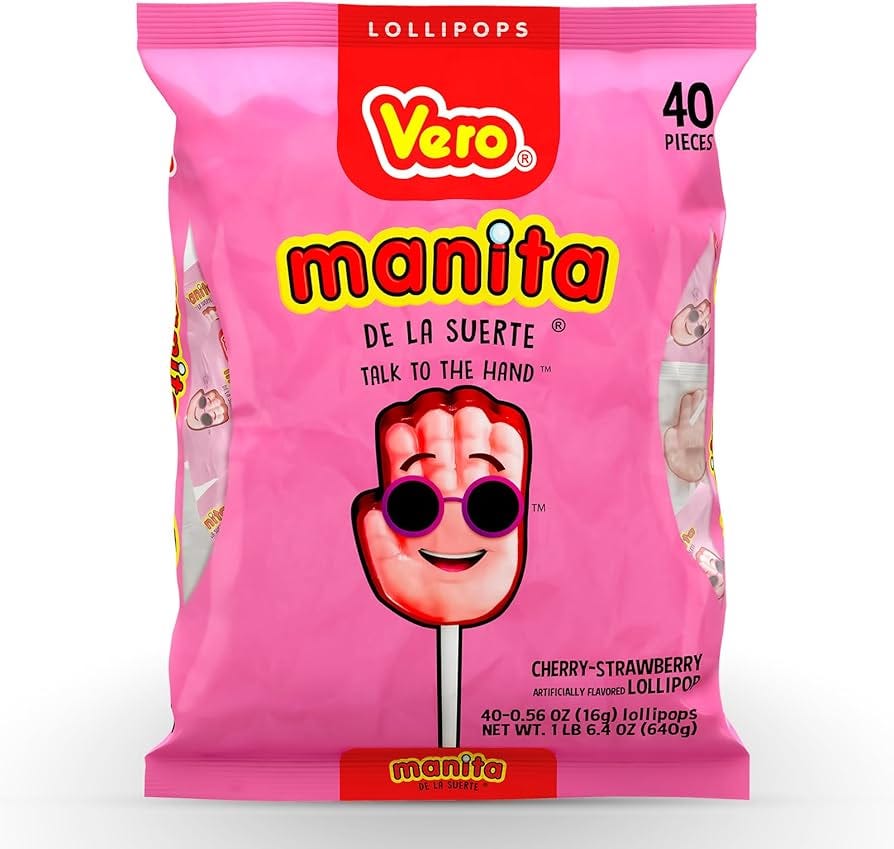
Paletas Vero // Is there anything better than a piece of candy modeled after another food item? The answer is no, and the proof is in Vero’s themed lollipops, which have remained legendary over the years, as delicious as they are just plain fun. Choose between the chili-covered Mango or Elote, or perhaps a sweet-and-fizzy Tarrito, shaped like a beer mug. My favorite, though, is Manita de la Suerte, a palm-shaped lolly with your fortune written on it
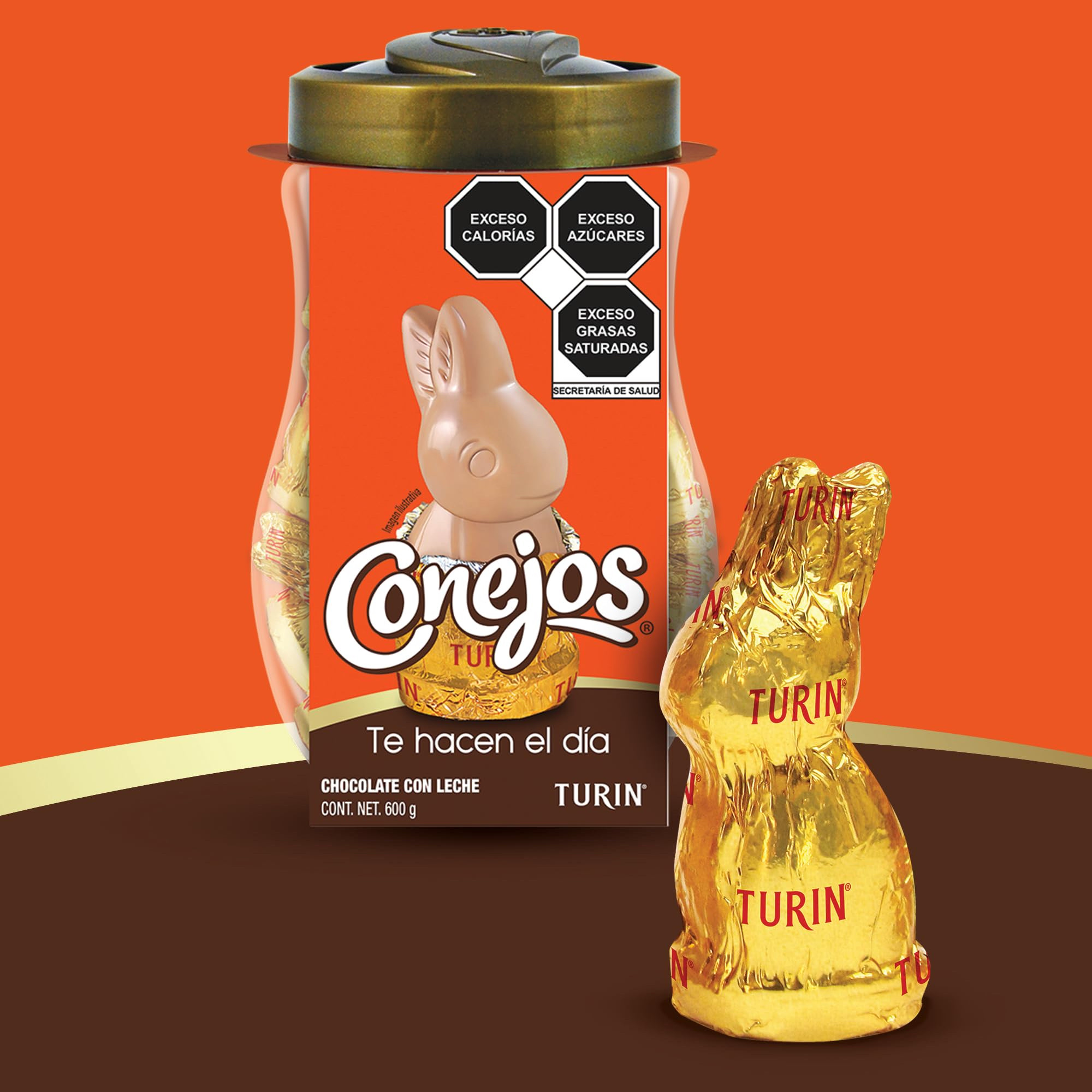
Conejitos Turín // Created by Mexican chocolate brand Turín, founded in 1928 by Italian chocolatier Pablo Traverso, these bunnies emerged from the time -honored tradition of eating chocolate bunnies around Easter, but have become a timeless icon. Ubiquitous in corner shops, grocery stores, and Turín boutiques in Mexico, these cuties have become celebrities in their own right over the past few years, with viral Conejito cakes, cupcakes, and even cocktails sprouting all over Mexico (and Instagram).
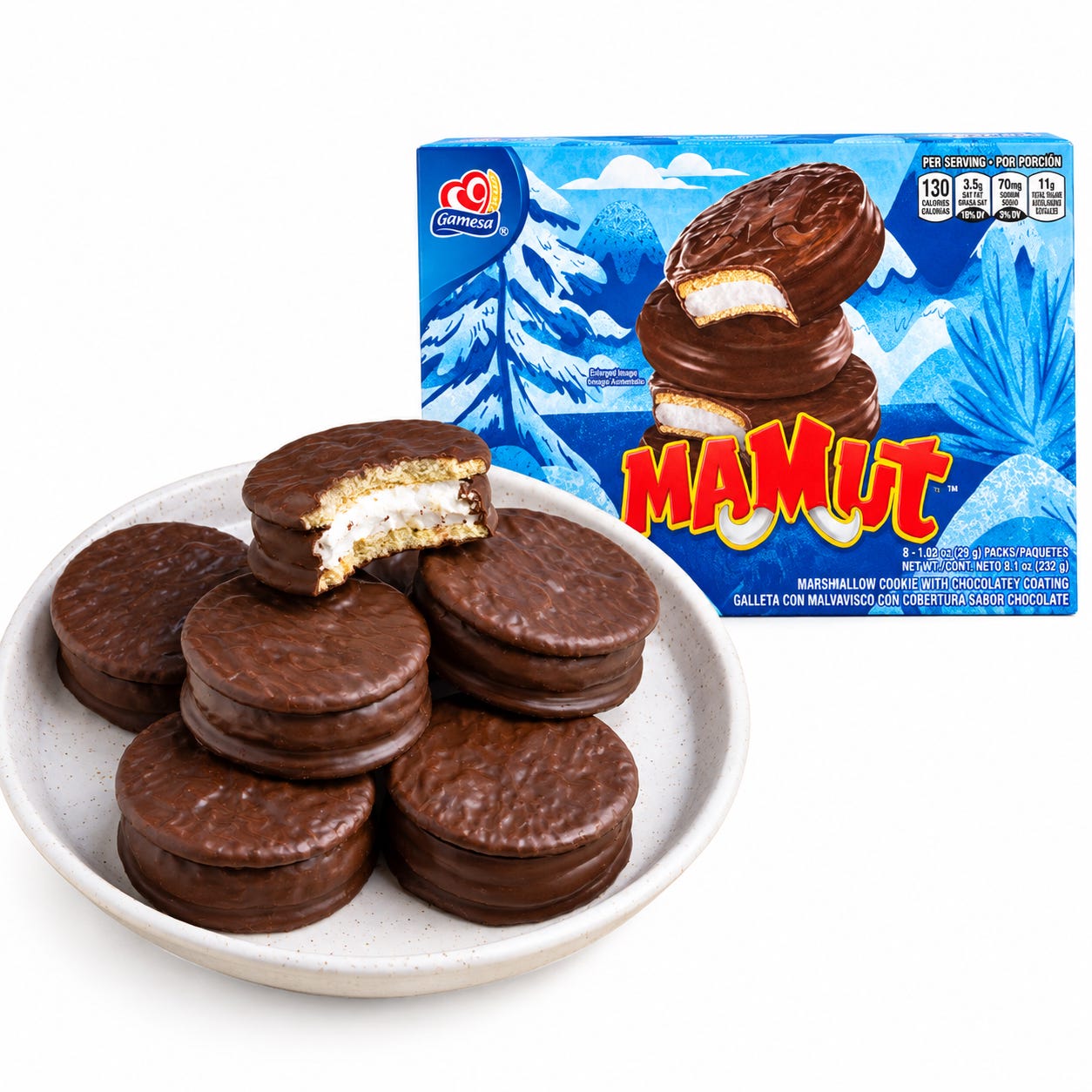
Mamut // A thick, soft marshmallow pressed between two vanilla cookies and covered in chocolate, this treat may be a distant, store-bought cousin of the s’more, or perhaps even a low-brow version of the Argentinian alfajor. Whatever the inspiration, it’s been a beloved sweet for generations. Pro hack: stick it in the freezer a couple of hours before eating it.
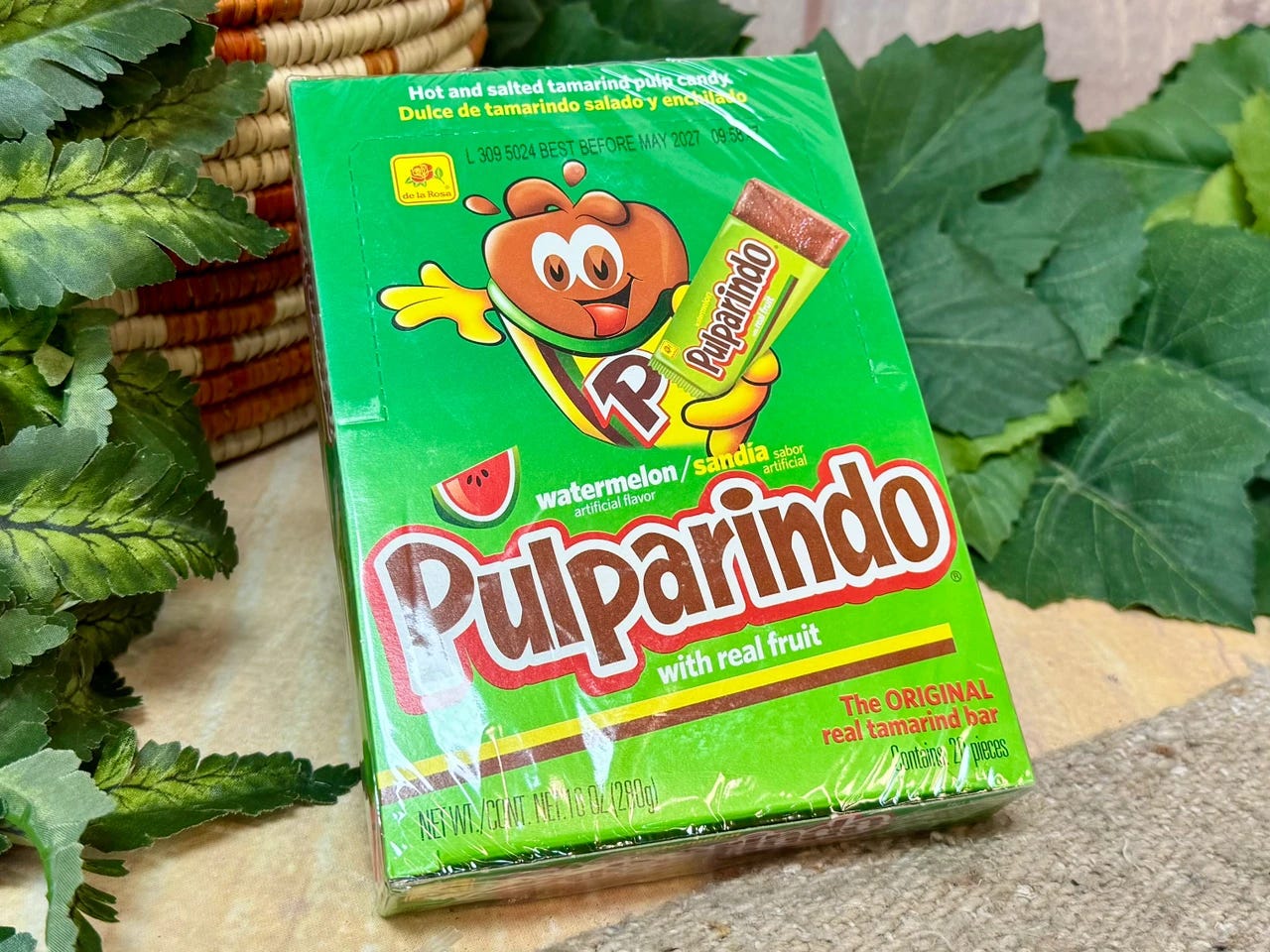
Pulparindo // Produced by De La Rosa, the same company that gave us the incomparable mazapán, these thin strips are made of tamarind pulp, powdered chili, and sugar – a perfect balance between sweet and tangy. Over the years, Pulparindo has evolved to several formats, including watermelon-flavored dots and mango dip
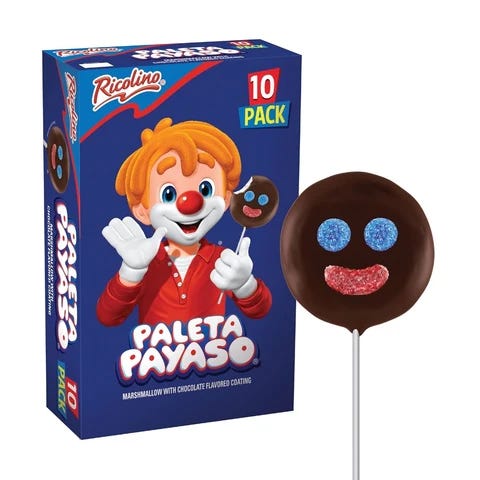
Paleta Payaso // Born in the seventies, Paleta Payaso’s first iteration was a chocolate-covered cornflake ball with three red gummies forming a face, with the marshmallow replacing the cornflakes shortly after its launch. The blue eyes came around 15 years later, and the format has pretty much remained unchanged ever since, save for the occasional holiday version, like the white chocolate Christmas paleta
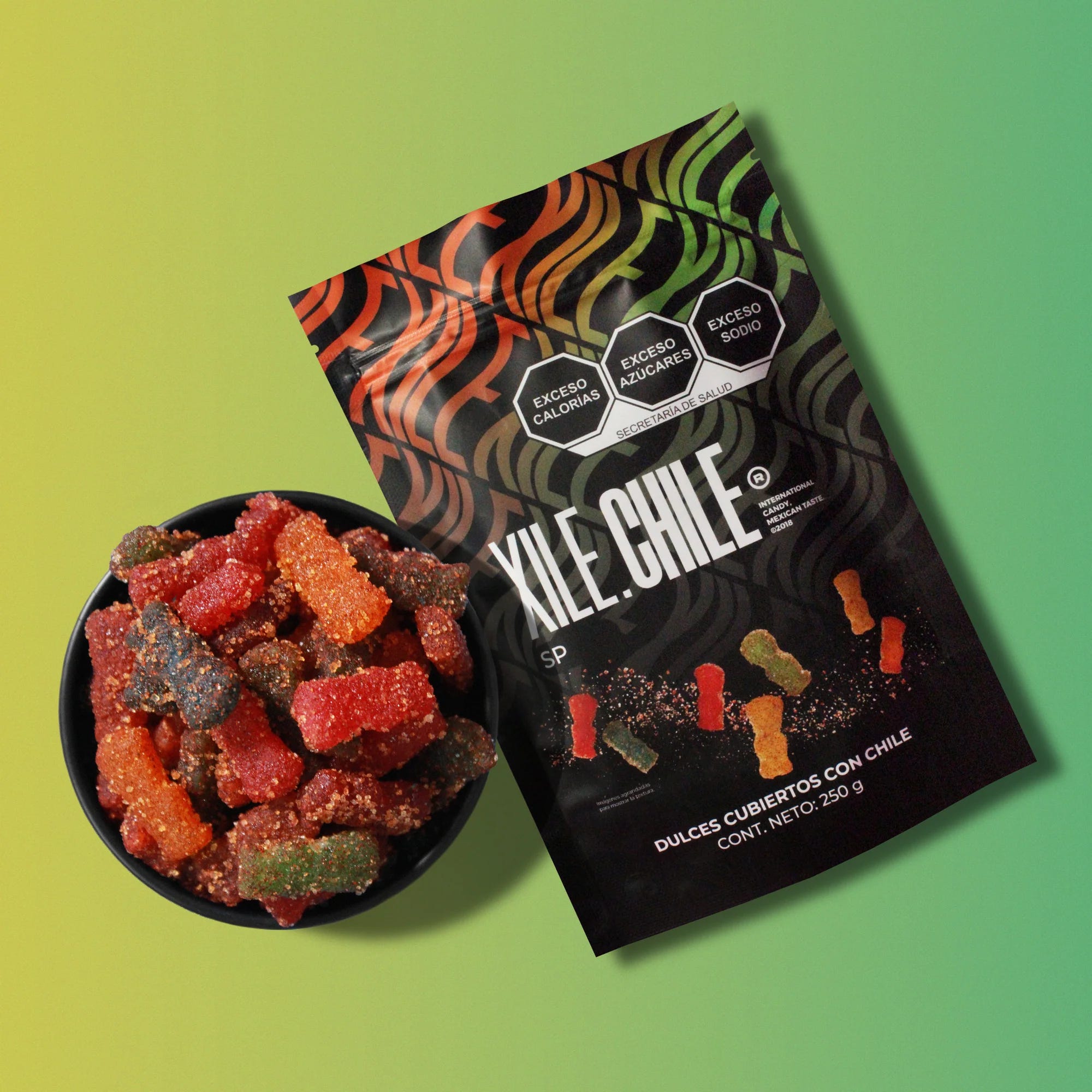
Xile.Chile // Started by a duo of friends who sold snacks to their high school friends, this brand offers an assortment of sour gummies covered in powdered chili – think apple-strawberry strips, bears, and worms, each as delicious and addictive as the next. On the pricier side and available only online or at a handful of vending machines in Querétaro and México City, getting your hands on one of these treats still feels like a feat – and totally worth it.
And that concludes today’s issue of Mexzine. Want to send us a story idea, suggestion, or introduce yourself? Email us at Brandon@Mexzine.com or Cristina@Mexzine.com.
Mexzine is reader-supported. Consider a paid subscription.
Past articles:


Love this! Would love a street vendor edition... Last time I was in CDMX my Mexican friend introduced me to the whistling Camote a las Brasas/Platano Macho cart and I'll never be the same